Claim Your Free Roof Inspection Today
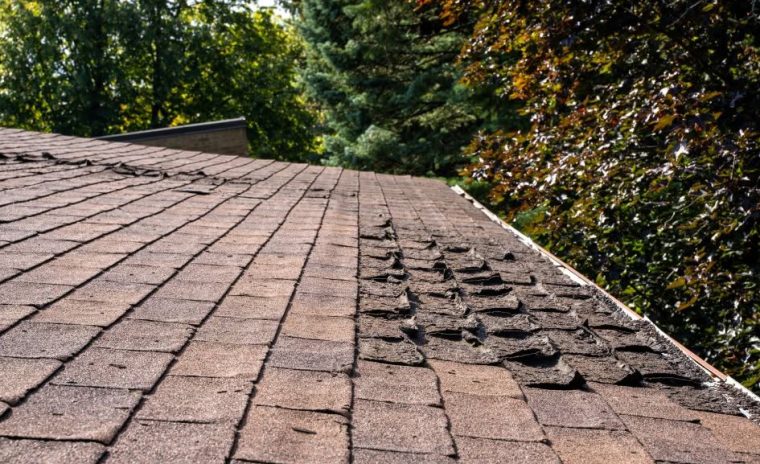
Identify Warning Signs Before They Become Costly Repairs
Expert Guide for Louisiana Homeowners
Step 1: Understand What Storm Damage Looks Like
Before you climb a ladder or step into your attic, it helps to know exactly what you’re looking for. Storm damage rarely announces itself with obvious holes or collapsed sections. Instead, it manifests in subtle ways that worsen over time if left unaddressed.
In North Louisiana, hail storms and high winds are the most common culprits. Hail impact on asphalt shingles creates round divots or bruises that expose the underlying mat, accelerating granule loss and shortening the shingle’s lifespan. Wind damage typically lifts or tears shingle tabs, leaving raw edges vulnerable to rain infiltration. You might also see displaced flashing around chimneys or vents, cracked sealant, or dented metal components like gutters and drip edges.
Recognizing these early warning signs can prevent a minor issue from evolving into a costly interior leak. Once water penetrates the roof deck, it can rot plywood, compromise insulation, and foster mold growth throughout the attic and living spaces.
Step 2: Conduct a Safe Exterior Inspection
Start your inspection from the ground using binoculars to scan the roofline and shingle field. Look for missing or curled shingles, lifted edges, or areas where granules have washed away in streaks. Pay special attention to roof valleys and transition points where wind forces concentrate.
If you decide to use a ladder, ensure it is on stable, level ground and extends at least three feet above the roofline. Never walk on a wet or steeply pitched roof without proper safety equipment. From your vantage point, inspect flashing around chimneys, skylights, and vent pipes. Damaged flashing often separates from the roof surface or develops rust and gaps.
Next, check your gutters and downspouts. Dented gutters, loose hangers, and granule accumulation in the gutter troughs all signal roof wear. In Monroe’s humid climate, clogged gutters can trap moisture and accelerate wood rot along the fascia boards. Check for sagging sections that indicate fastener failure or water pooling.
Document what you see with clear photographs from multiple angles. These images will be valuable when discussing roof repair services or filing a roof insurance claim. Avoid diagnosing the extent of internal damage yourself; surface-level inspection is the homeowner’s safest and most practical contribution.
Step 3: Inspect the Interior for Hidden Damage
Storm damage does not always show itself on the roof surface first. Water intrusion often travels along rafters, trusses, and insulation before appearing on your ceiling. Head into your attic with a flashlight on a sunny day so you can spot any pinpricks of daylight penetrating the roof deck.
Look for water stains on the underside of the sheathing. These typically appear as dark streaks, discolored patches, or fuzzy mold growth. Wet or compressed insulation is another red flag. Monroe’s rain patterns and high humidity mean that even a small leak can saturate fiberglass batts quickly, reducing their thermal performance and creating an environment for mildew.
In living areas, check ceilings and upper walls for brown rings, bubbling paint, or sagging drywall. These are classic indicators that water has bypassed your roof’s protective layers. Pay attention to corners where the ceiling meets exterior walls, as these junctions are vulnerable to wind-driven rain after storm events.
If you notice a musty odor or see active dripping during rain, you’re dealing with an ongoing leak that requires immediate attention. Contact a local roofing contractor who offers emergency roof repair to prevent further structural damage and protect your belongings.
Step 4: Document Your Findings Thoroughly
Accurate documentation is critical when filing a roof insurance claim or discussing roof repair services with a contractor. Begin by taking wide-angle photos that show the entire roof and the surrounding property. Then capture close-ups of each damaged area, including shingle bruises, lifted flashing, gutter dents, and interior water stains.
Use your smartphone’s date-stamp feature or note the inspection date manually. Take measurements when possible: how many shingles are missing, the diameter of a hail dent, or the length of a water stain on your ceiling. Write a brief narrative describing the storm event, including the date, weather conditions, and any immediate signs you noticed afterward.
Organize your photos in a labeled folder and create a simple checklist of damaged components. This organized record speeds up the claims process and helps roof inspection services provide accurate estimates. Insurance adjusters appreciate clear, methodical documentation, and it reduces the likelihood of disputes over the scope of damage.
If you’re unsure whether certain signs constitute storm damage, err on the side of caution and document them anyway. A trained professional can differentiate between age-related wear and acute storm impact during a formal roof inspection. Your role is to capture the evidence while it’s fresh and preserve your claim timeline.
Step 5: Schedule a Professional Roof Inspection
While a homeowner’s inspection provides a valuable first look, a licensed roofing contractor can identify hidden structural issues and provide the detailed estimates insurers require. Professional roof inspection services include infrared moisture scanning, drone photography, and close examination of roof decking integrity, all of which go beyond what you can safely accomplish on your own.
In Monroe and throughout North Louisiana, many roofing companies offer free inspections after major storm events. A qualified contractor will evaluate your entire roofing system, including ventilation, underlayment condition, and code compliance. They can determine whether you need a targeted repair, partial replacement, or full roof restoration based on the extent and pattern of damage.
If your findings suggest active leaks or widespread hail impact, prioritize scheduling quickly. Delays allow minor damage to escalate into rot, mold, and interior structural compromise. A contractor experienced in roof insurance claims can also guide you through the claims process, attend adjuster meetings, and advocate for a fair settlement on your behalf.
Your documented photos and notes will complement the professional assessment, building a strong case for timely roof maintenance services or necessary repairs. Protecting your home starts with vigilance, but it’s completed by partnering with skilled professionals who understand Louisiana’s unique weather challenges.